From start-up to scale-up: How your brand needs to evolve
Launching a business is about building momentum. You need to establish credibility, win customers and prove there is a market for what you do, often without much time or budget to get it right. Your brand needs to support that process, but it is unlikely to have all the answers from day one. You may have a clear idea of what you want the business to achieve and why it matters, but the brand will naturally evolve as you grow and learn more about your customers.
The challenge comes when the business has evolved significantly, but the positioning and communication have remained unchanged. As the company looks to grow, the way it operates and the people it needs to reach can often change, but the brand itself remains rooted in how it was presented at launch. What worked well at that stage may no longer give you everything you need as the company develops.
That is often the point to step back and ask whether the brand still reflects the business you have become and supports where you want to take it next.

The brand you started with
Early-stage brands are often built around what is needed at the time. An identity may have been created for your launch, a website may have mainly focused on initially explaining your product or service, and the language used across sales and marketing may have developed through conversations with customers rather than a defined approach.
That is not necessarily a problem. When a business is still finding its feet, you are learning what customers respond to best and where the strongest opportunities lie. The brand can develop alongside that understanding, with the foundations of a stronger brand becoming clearer over time.
As the business develops though, those early decisions may simply need to be revisited in light of what you now know. Reviewing your branding can help ensure your positioning, messaging and identity reflect the business as it is today, rather than an earlier stage of its journey.
When the business starts to change
Growth changes the way a business operates as well as its size. As the founder steps back from some of the day-to-day work, the business starts to rely more on the wider team and the way they communicate with customers and each other naturally begins to evolve.
The founder’s original thinking still matters, but it needs to become something the wider team can understand and build on. Without clear brand foundations, different teams can gradually develop their own ways of presenting the business. Marketing may develop one message, sales another, while recruitment talks about the culture in a different way. The website can also become a collection of content created at different points in the company’s development.
The result can feel fragmented and inconsistent, with different parts of the business telling slightly different stories. More importantly, the brand may no longer reflect the business as it has developed, making it harder to communicate clearly with the customers and opportunities you want to attract.
Signs your business has outgrown the brand
There are usually some clear signs that the brand needs attention, particularly as a business moves beyond its early stages.
In the beginning the business may have been built around a founder-led brand, with its character and values understood instinctively by the people involved. Alternatively, a business might have developed an MVP brand, a basic identity created to get the business off the ground, test the proposition and gain initial traction. Both are natural starting points, but as the company grows, what was once implicit needs to become explicit, so that others can understand and communicate the brand without relying on the founder to explain it.
Ask yourself, can people across the business explain what makes you different in broadly the same way? Do new starters understand what the company stands for beyond their immediate role? The same clarity should come through in your website, proposals, sales presentations and wider marketing materials, rather than each developing its own approach.
You may also find that new services have been added without a clear connection to the wider proposition, or that prospective clients need more reassurance before they understand why they should choose you. Recruitment can offer another useful perspective, particularly if candidates struggle to understand what the business stands for or why they might want to work there.
If the brand began as a founder-led identity or an MVP designed to gain traction, that doesn’t necessarily mean you need a rebrand. It may be that the thinking behind the brand needs to be developed and documented more clearly, so it can support the business as it grows.
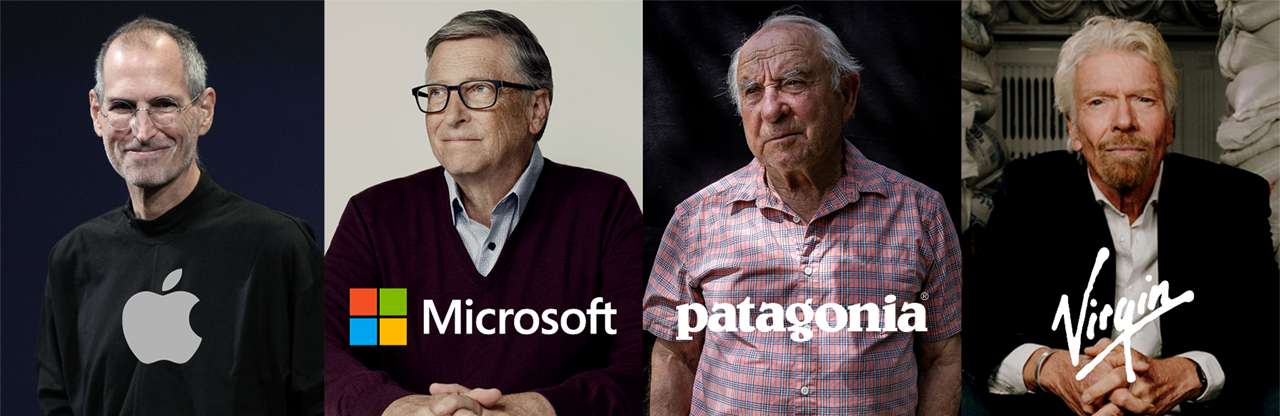
Founder-led brands that became global enterprises
Start with the business strategy, not the logo
A brand review should start with the business itself. As a company grows or changes direction, the brand may no longer reflect what the business does or where it wants to go. Reviewing the brand in the context of the business strategy helps establish what needs to change and what should stay the same.
For a design-led business, this is particularly important because the visual identity is often the most obvious part of a brand, but that doesn’t mean it is the right place to start. The starting point should be the business itself. Are you still solving the same problems for the same customers? What do your best clients value? Has the market around you changed, and what do you want the business to be known for now?
From there, you can review your brand foundations, including your positioning and proposition, your audience, mission and vision. Whether or not these were formally documented when the business began, they will have shaped how you approached the business from the start, and may have changed or naturally evolved as it has developed. Bringing that thinking together gives you a clearer basis for deciding what needs to change and what should stay the same.
Build a brand people can use
Once your brand foundations are clear, the role of brand and marketing teams is to then turn them into something the business can actually use. That might mean refining the visual identity, but it can also mean sharpening the messaging, defining a clearer tone of voice, restructuring services or product names, creating usable templates or giving teams better guidance on how to communicate.
A growing business needs a brand system that can work across the organisation without everything having to come back to one person. As more people become involved in communicating the brand, clear guidelines can help them make decisions with confidence while keeping the overall approach consistent.
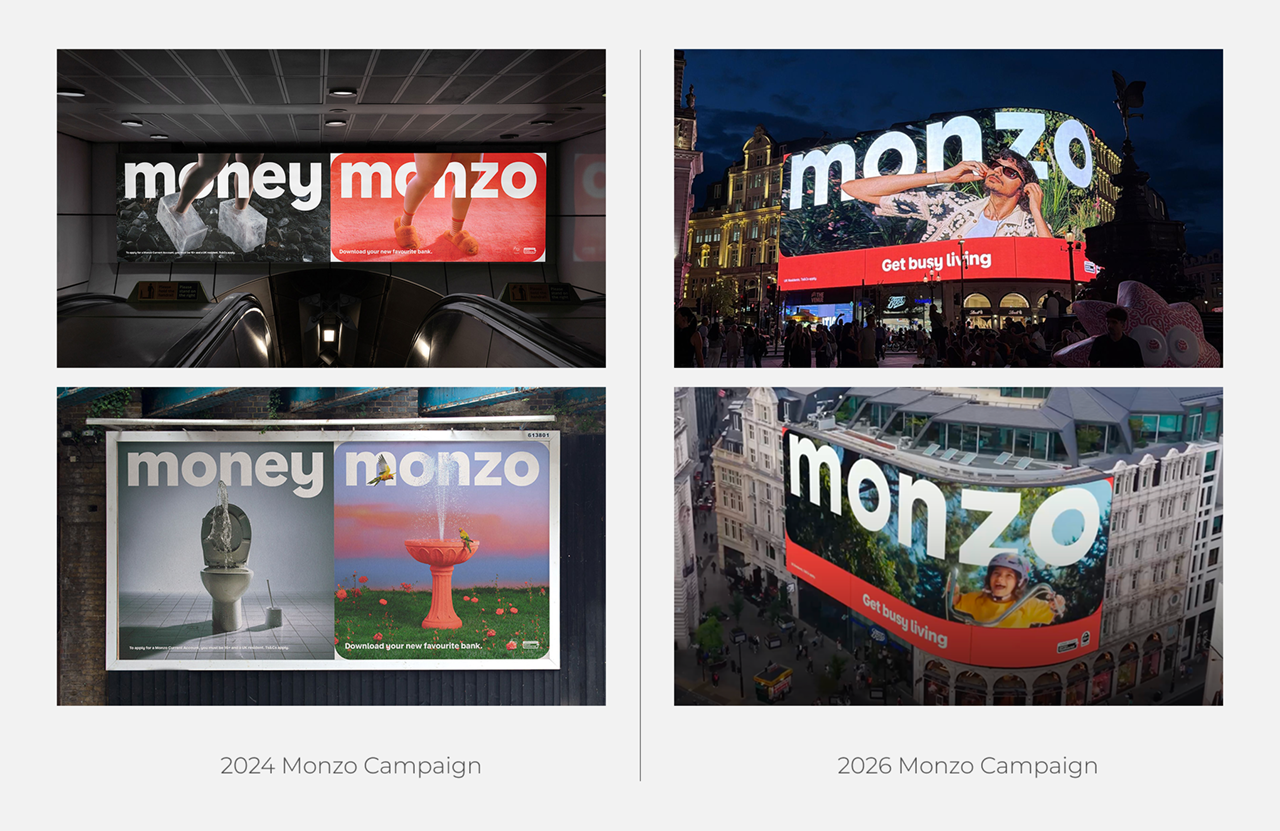
Monzo is a great example of a brand evolving as the business and its audience have changed. Its 2024 campaign, ‘Money Never Felt Like Monzo’, was designed to reach people beyond its original early-adopter audience. Its 2026 campaign, ‘Get busy living’, takes that evolution further, shifting the focus from Monzo as a different kind of bank towards what it enables customers to do with their money and their lives. The recognisable character of the brand remains, but the way it talks about the business has changed as Monzo itself has grown.
Your employees are part of the brand
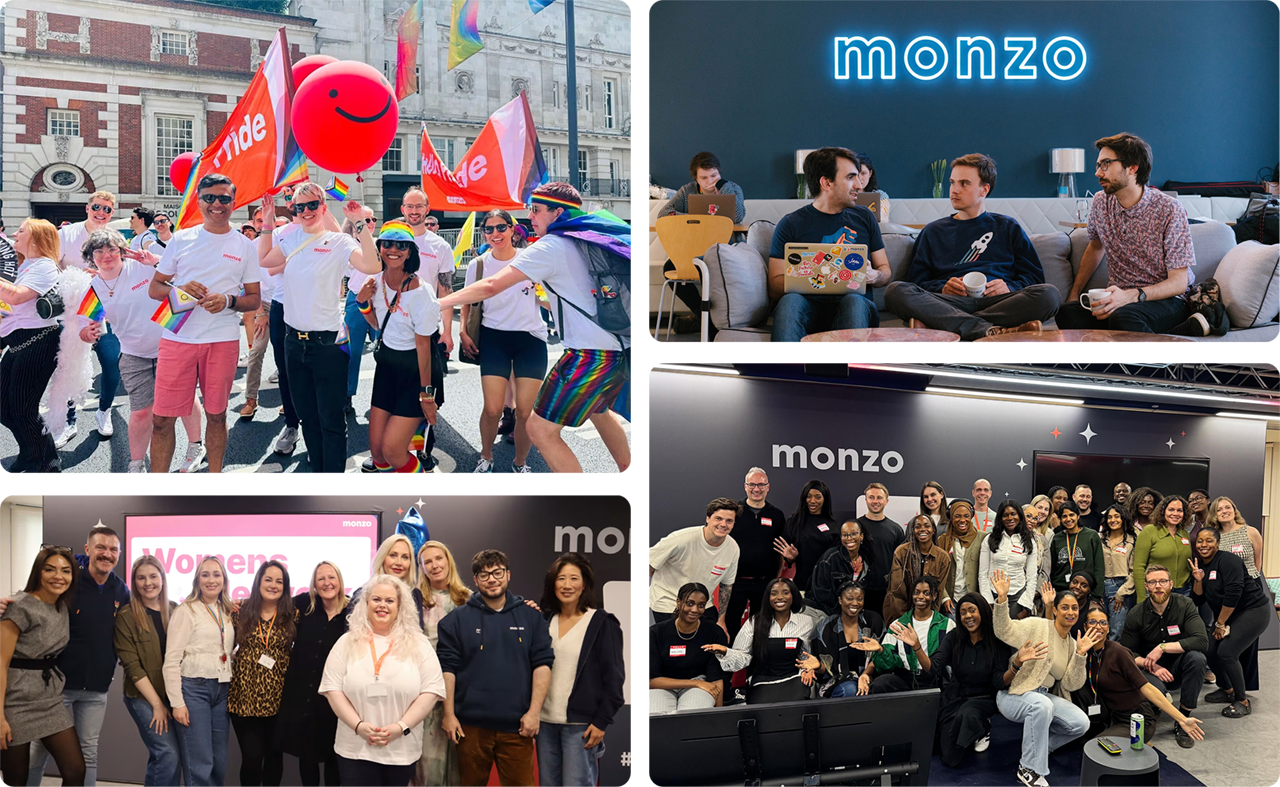
As a business grows, keeping the brand consistent becomes an internal challenge as well as an external one. When there are only a few people, much of the company’s knowledge and culture is shared naturally. As more people join, that becomes harder to maintain.
A clear brand gives people something practical to work from. It helps people understand what the business is trying to communicate and gives them a shared reference point when they are making decisions or talking to customers. It also means new starters can get a better sense of the business without having to learn everything through informal conversations.
This is not about making everyone communicate in exactly the same way. It is about giving people a shared understanding of what the business stands for, so that customers have a consistent experience even when they are dealing with different parts of the organisation.
Evolving without starting again
A brand that helped you win your first customers has already played an important role in establishing the business. As your business scales though, it is worth checking that the brand still fits the business today and refining it where needed.
That does not always mean starting again. It often means building on what is already there so the brand better reflects the business as it is today and supports where you want to take it next.
Last updated October 2026

